Gluten-free flour
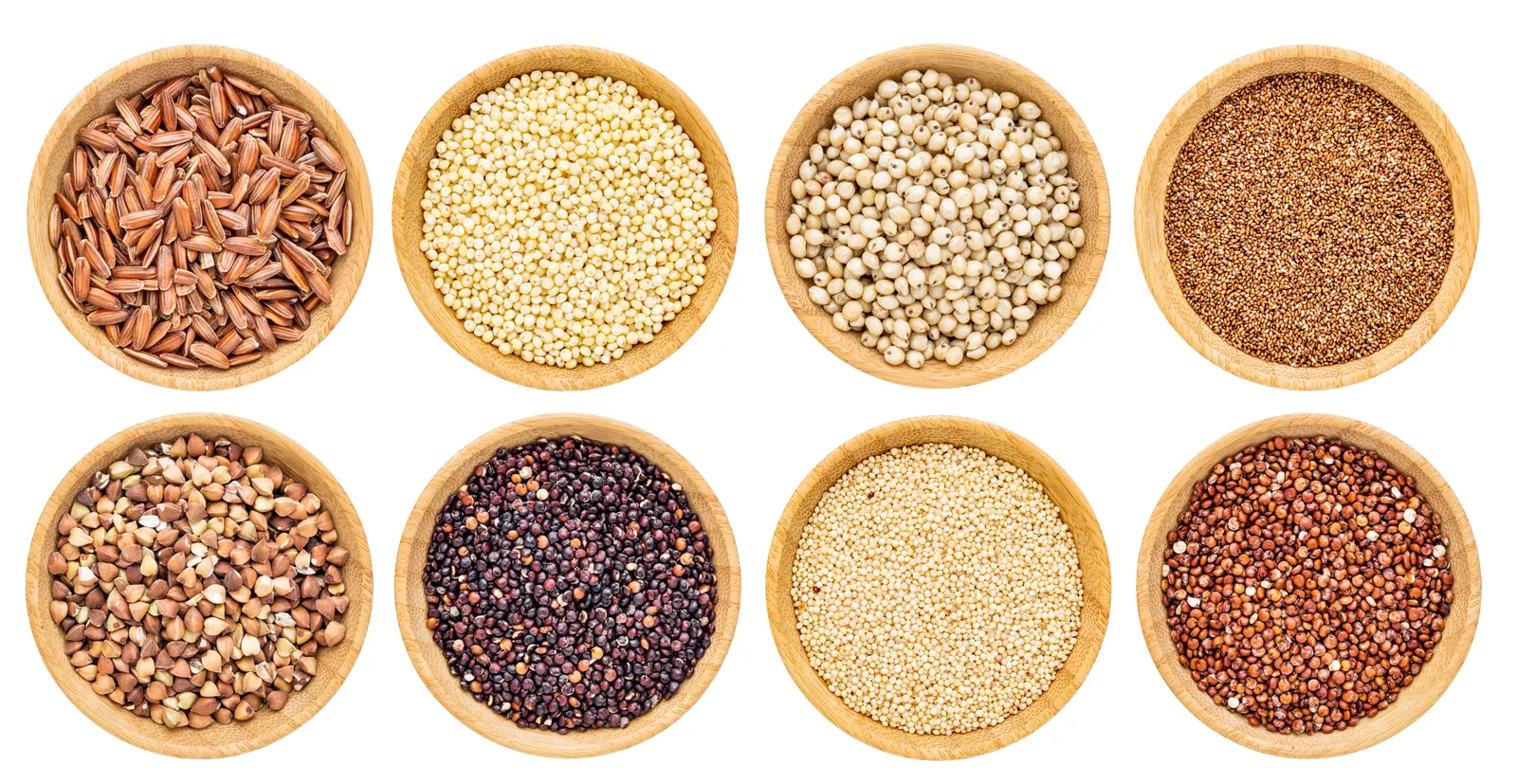
Rice, sorghum, almond, coconut, cassava, buckwheat, teff and oat flours are gluten free. The two things that catch people are wheat starch, which appears in some European gluten-free blends and is legal there, and shared milling, which affects naturally gluten-free grains more than people expect.
Flour is the category where a naturally gluten-free ingredient most often arrives contaminated, because milling equipment is expensive and rarely dedicated.
The rule: the grain is only half of it — the mill is the other half
Wheat starch is the category's most counterintuitive entry. It is wheat, but the gluten protein is washed out during processing, and specially processed wheat starch that tests below 20 ppm is legal in gluten-free products in the EU and UK, where it is common in prescription and commercial gluten-free bread. In the US it is permitted only if the finished food still meets the 20 ppm limit. Practical rule: wheat starch inside a product carrying a gluten-free claim is compliant; wheat starch on a label with no such claim is a stop sign.
Teff is worth a note because several ingredient databases have it wrong. Teff is an entirely gluten-free grain. It appears in some gluten warning lists through taxonomy errors, and CiCi corrects for that.
The binder question is separate from safety. Xanthan gum, psyllium and guar are what replace gluten's structure, and all three are gluten free.
Point CiCi at the barcode and get this same reasoning in about two seconds, plus the carbs and the full nutrition panel. 360,000+ packaged foods are already read and waiting.
At a glance
Sorted by what the answer actually is, rather than alphabetically — because the useful question in a shop is “which pile is this in.”
⛔ Contains gluten
- Spelt, kamut, einkorn, farro, triticale
All wheat or wheat hybrids.
⚠️ Depends — check the label
- Oat flour
Only when the oats are certified. See the oats guide.
- Wheat starch
Gluten washed out; legal in EU gluten-free products. Safe only inside a product carrying a gluten-free claim.
✓ Gluten free
- Rice flour (white, brown)
The workhorse base of most blends.
- Almond and other nut flours
Ground nuts. Watch shared equipment in bulk bins.
- Coconut flour
Very absorbent. Not a 1:1 substitute.
- Cassava and tapioca flour
From the same root; tapioca is the extracted starch.
- Sorghum flour
Mild flavour, common in bread blends.
- Buckwheat flour
Unrelated to wheat despite the name. Shared milling is the only concern.
- Teff flour
Gluten free. Several databases wrongly flag it — CiCi corrects this.
- Xanthan gum, psyllium, guar gum
Structure replacements for gluten. All gluten free.
Common questions
Is wheat starch gluten free?
Specially processed wheat starch has the gluten protein washed out and can test below 20 ppm. It is legal in gluten-free foods in the EU and UK and common in gluten-free bread there. The safe reading is: wheat starch inside a product that carries a gluten-free claim is compliant; wheat starch on a label with no claim should be treated as wheat.
Is buckwheat gluten free?
Yes, entirely. Buckwheat is not related to wheat. It is a seed from a plant in the rhubarb family. The only real question is whether it was milled on shared equipment, which a gluten-free claim resolves.
Can I substitute gluten-free flour 1:1 for wheat flour?
Only with a blend formulated as a 1:1 replacement, which includes a binder such as xanthan gum. Single flours behave very differently: coconut flour absorbs several times more liquid, and almond flour provides no structure at all.
Reading a page is fine. Standing in the aisle is the hard part.
This site answers the question you knew to ask. The app answers the one you didn't: the barley malt in a rice cereal, the wheat starch in a gummy. Scan the barcode, or photograph the panel when the barcode isn't in any database, and CiCi shows which words on the label produced the answer.
- 360,000+ packaged foods already read. Ingredient statement, allergen declaration and nutrition panel, each one assessed by the same rules you can see working on this page, so most scans are an instant answer rather than a lookup.
- Unlimited scanning, about two seconds an answer. Fig and Spoonful both cut you off at five scans a month.
- Carbs and the full nutrition panel on every scan. Total and net carbohydrate with the arithmetic shown. For the roughly 6% of people with type 1 diabetes who have coeliac disease too, that is two apps collapsed into one.
- Your glutening log. Record a reaction and CiCi shows what those days had in common. It counts overlaps and never tells you what caused it.
- Saved products. The regular shop in one place, so next week is not a re-scan of the same forty items.
- Scanning happens on your device. The lookup carries no user id at all. Signed in, your own history is kept for you and nobody else — never sold, never sent to an analytics service.
14 days free, then $29.99 a year. Cheaper than Fig, and it does what three separate apps do. This website stays free forever either way: every answer on it, permanently, with no account.